
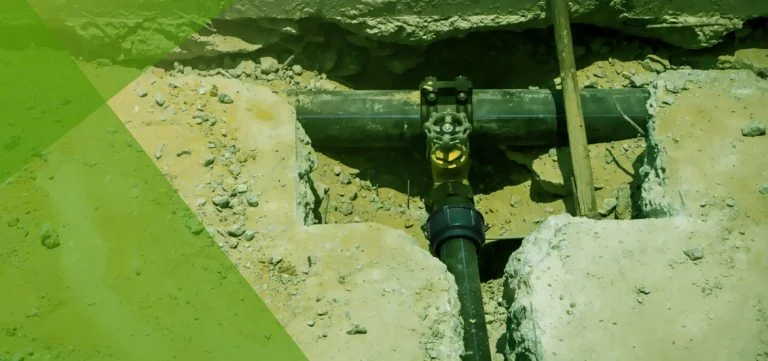
A water leak under your concrete floor—commonly known as a slab leak—is one of the most destructive and expensive plumbing problems a homeowner can face. Because the pipes are buried beneath inches of reinforced concrete, the leak is often invisible until significant structural damage has already occurred. In Southern California, where aging copper pipes and high mineral content in the water supply make slab leaks incredibly common, knowing how to properly locate a leak under a concrete floor is crucial. This guide breaks down the professional diagnostic process and explains why accurate, non-invasive detection is the only way to protect your foundation.
Why DIY Detection Methods Fall Short
It is natural to want to find the source of the problem yourself, but when it comes to slab leaks, DIY methods are rarely sufficient. You might notice the symptoms:
- A warm spot on the tile or hardwood floor (indicating a hot water line leak).
- The sound of water running when all fixtures are turned off.
- A sudden, unexplained spike in your water bill.
- Water pooling near the baseboards or foundation.
However, water takes the path of least resistance. The spot where water pools on your floor or where the tile feels warm is rarely the exact location of the broken pipe. Water can travel along the outside of the pipe for several feet before pushing up through a crack in the concrete. If you or a general plumber start breaking concrete based purely on where the water is visible, you will likely cause unnecessary destruction to your home.
The Professional Detection Protocol
Proper slab leak detection requires specialized equipment and advanced training. At EZ Leak Detection, our technicians use a systematic, multi-tool approach to pinpoint the exact location of the leak without damaging your property.
Step 1: Electronic Acoustic Amplification
Water escaping from a highly pressurized pipe creates a distinct frequency. Professional leak detectors use highly sensitive acoustic listening devices, essentially sophisticated stethoscopes, to listen through the concrete. By tracing the plumbing lines and listening for the loudest point of the high-frequency hiss, technicians can often narrow the leak down to a one-foot radius.
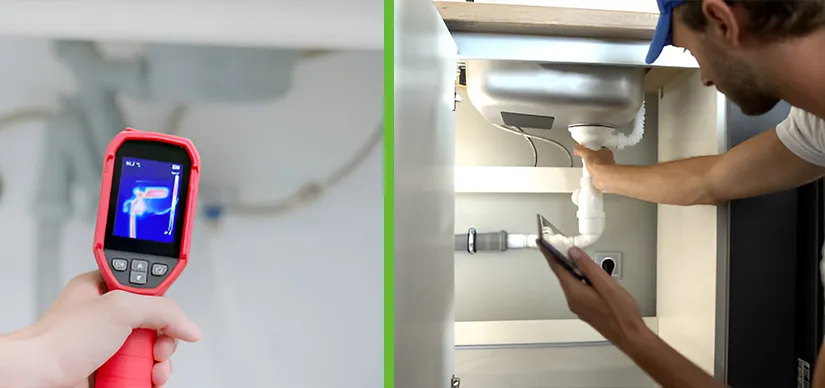
Step 2: Thermal Imaging
Infrared thermal cameras are invaluable, particularly for hot water leaks. These cameras detect minute temperature differences on the surface of your floor. By mapping the heat signatures beneath the concrete, a technician can see the exact path of the hot water line and identify the specific point where hot water is blooming out into the surrounding soil or slab.
Step 3: Tracer Gas Testing
For particularly deep leaks, or cold water leaks that don't register well on thermal imaging, tracer gas is used. The water is drained from the affected line, and a safe, inert gas (usually a mixture of nitrogen and hydrogen) is pumped in under pressure. Because hydrogen molecules are incredibly small, they escape through the leak and permeate up through the concrete. Specialized sensors then detect the gas at the surface, providing a highly accurate location.
Step 4: Video Pipe Inspection (for drain lines)
If the leak is suspected to be in a sewer or drain line rather than a pressurized supply line, technicians use high-resolution, waterproof cameras attached to flexible fiber-optic cables. The camera is fed into the line, allowing the technician to visually inspect the interior of the pipe for cracks, root intrusion, or collapsed sections.
Why Precision Matters
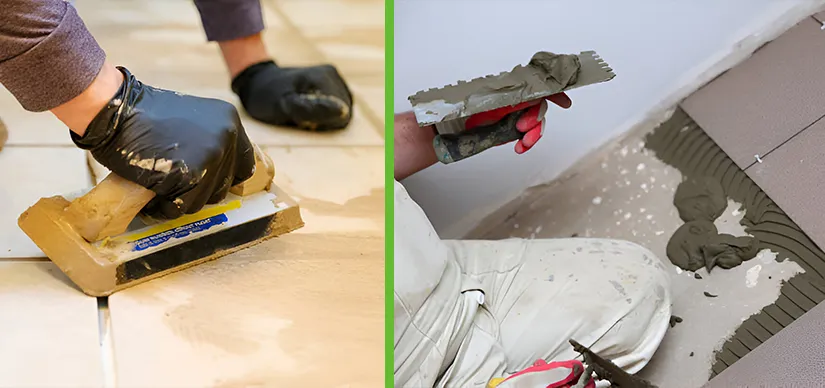
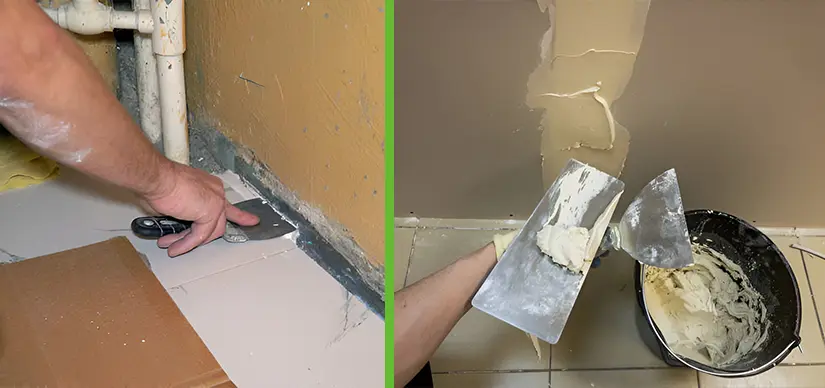
Accurately locating the leak is the critical first step because it dictates your repair options. If the leak is isolated and easily accessible, a direct spot repair (jackhammering a small square of concrete to fix the specific pipe segment) might be viable. However, if the leak is beneath expensive custom cabinetry, a structural load-bearing wall, or if the entire pipe is severely degraded, alternative methods like pipe rerouting (bypassing the under-slab pipe entirely by running a new line through the walls or attic) or epoxy pipe lining might be necessary.
Without an accurate diagnostic baseline, you cannot make an informed decision about the repair, and you risk wasting money on a fix that doesn't address the root problem.
Frequently Asked Questions
Q. How long does the detection process take?
Ans. With professional equipment, a standard residential slab leak can typically be pinpointed within 1 to 2 hours. Complex plumbing systems or multiple leaks may require more time.
Q. Will leak detection damage my floors?
Ans. No. True professional leak detection is entirely non-invasive. Acoustic, thermal, and gas detection methods require zero demolition. Concrete is only cut when you have approved a specific repair plan.
Q. Does homeowners insurance cover leak detection?
Ans. In many cases, yes. While insurance policies vary, most cover the cost of locating the leak and repairing the resulting water damage, even if they don't cover the cost of the plumbing repair itself. A reputable leak detection company will provide the documentation needed for your claim.
Q. Can I just ignore a minor warm spot on the floor?
Ans. Absolutely not. A minor leak can erode the soil beneath your foundation, leading to serious structural cracking and settling. Furthermore, continuous moisture will rapidly breed dangerous mold behind your walls and under your flooring.
Conclusion
A leak under a concrete floor is a serious issue that requires a precise, technological approach. Guesswork and "exploratory excavation" have no place in modern plumbing. By utilizing acoustic listening, thermal imaging, and tracer gases, professionals can locate the exact source of the leak without destroying your home. This accuracy is essential for choosing the right repair strategy and minimizing the overall cost and disruption to your life.
Call EZ Leak Detection Today
If you suspect a slab leak in your home, don't let an amateur start breaking your concrete. EZ Leak Detection specializes in non-invasive diagnostic technology. Our licensed technicians serve San Diego, Orange County, and Riverside, providing accurate detection and comprehensive repair options.
Call us today at (760) 392-7616 for expert slab leak detection and protect your home's foundation.
Author: ezleakdev
TESTIMONIALS