
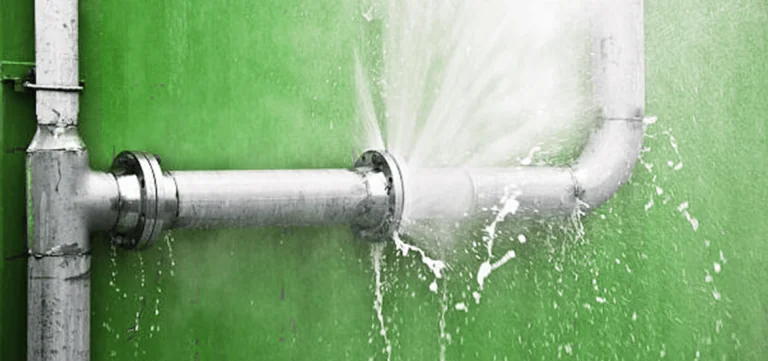
Water leaks are one of the most insidious problems a homeowner can face. Because the majority of your plumbing system is hidden behind drywall, under floors, or buried in the yard, a leak can flow undetected for weeks or months. By the time you notice a damp baseboard or an unusually high water bill, thousands of dollars in structural damage and mold growth may have already occurred.
At EZ Leak Detection, we've diagnosed and repaired residential plumbing failures across San Diego, Orange County, and Riverside for years. While every home is unique, the root causes of plumbing failures are remarkably consistent. Understanding these common triggers is your best defense against catastrophic water damage.
7 Common Causes Behind Household Water Leak Problems
If you suspect a leak in your home, one of these seven culprits is likely to blame. Recognizing the warning signs early can save you from a major plumbing disaster and the need for extensive water leak damage repair.
1. High Water Pressure
Most residential plumbing systems are designed to handle water pressure between 40 and 80 psi (pounds per square inch). In many parts of Southern California, municipal water is delivered at much higher pressures. If your home lacks a functioning Pressure Reducing Valve (PRV), that excessive force puts constant stress on every pipe, joint, and appliance valve in your home.
Over time, this stress leads to pinhole leaks in copper pipes, blown washing machine hoses, and premature failure of water heaters. Banging pipes (water hammer) and constantly running toilets are strong indicators that your pressure is too high.
2. Hard Water and Corrosion
San Diego and Orange County are notorious for having "hard" water—water with high concentrations of dissolved minerals like calcium and magnesium. As hard water flows through your pipes, it leaves mineral deposits behind. In galvanized steel pipes (common in homes built before 1970), this causes internal rusting and severe flow restriction.
Even in copper pipes, the minerals and added municipal chemicals (like chloramines) cause the metal to oxidize and thin out from the inside. Eventually, the pipe wall becomes paper-thin and develops a pinhole leak. This process, known as pitting corrosion, is a leading cause of slab leaks in older Southern California homes.
3. Deteriorating Pipe Joints
The weakest point of any plumbing system is where two pieces connect. Over decades, the solder holding copper pipes together can degrade, or the PVC glue on drain lines can dry out and crack. These connections are particularly vulnerable to sudden changes in temperature or water pressure spikes. Because joints are often located inside walls or ceilings, leaks here often go unnoticed until a water stain appears on the drywall.
4. Rapid Temperature Changes
When pipes carry hot water, they naturally expand slightly; as they cool, they contract. This continuous thermal expansion and contraction cycles over years can slowly wiggle pipe joints loose or create friction against studs and concrete slabs, eventually wearing a hole right through the metal.
5. Intrusive Tree Roots
Tree roots naturally seek out moisture and nutrients, making the sewer and water lines buried in your front yard an attractive target. Even the tiniest crack in an underground pipe releases enough moisture to attract roots. Once inside, the roots grow rapidly, acting like a dam that catches debris and toilet paper. This leads to severe drain backups into the home and can completely shatter the underground pipe, requiring costly excavation.
6. Clogged Drains
A clogged drain isn't just an annoyance—it's a pressure cooker for your plumbing. When hair, grease, or foreign objects block a drain pipe, standing water puts immense pressure on the pipe's joints. If the clog is severe, corrosive drain-cleaning chemicals used by homeowners can actually eat away at the PVC or cast-iron pipes, creating chemical-induced leaks.
7. Poor Workmanship
Not all plumbers are created equal. If the pipes in your home were installed poorly—whether through the use of incorrect materials, failing to deburr copper pipes, or failing to install proper strapping—the system is doomed to fail prematurely. Loose pipes vibrate when water flows through them, eventually causing connections to fail. This is why trusting licensed professionals for water leak detection is critical.
Frequently Asked Questions
Q. How can I tell if my water pressure is too high?
Ans. You can test it yourself by attaching a simple pressure gauge (available at any hardware store) to an outdoor hose bib. If the reading is consistently above 80 psi, you need a plumber to install or replace your Pressure Reducing Valve (PRV).
Q. Do chemical drain cleaners cause leaks?
Ans. Yes, they can. Liquid drain cleaners rely on caustic chemicals that generate heat to dissolve clogs. In older metal pipes, these chemicals accelerate corrosion; in modern PVC pipes, the intense heat can warp or melt the plastic, leading to joint failure.
Q. How often should I have my plumbing inspected?
Ans. For homes older than 15 years, a professional plumbing inspection every two years is highly recommended. Catching a failing pressure valve or a slow pinhole leak early can save you thousands in water damage remediation.
Why You Should Never Ignore a Suspected Leak
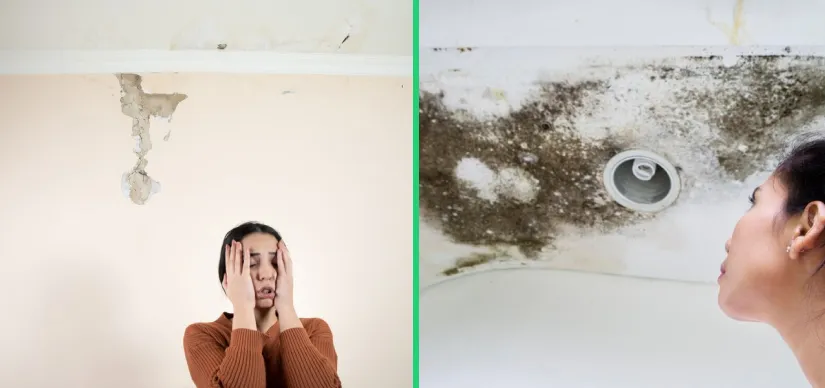
Water damage doesn't wait for your schedule. A slow leak behind a wall can compromise your home's structural framing, ruin expensive flooring, and create the perfect dark, damp environment for toxic black mold to thrive in as little as 48 hours. The cost of a water leak damage repair service is always significantly higher than the cost of early leak detection.
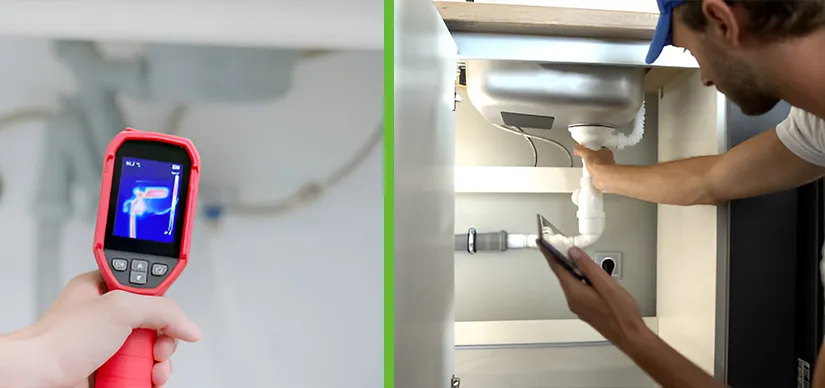
If you suspect a leak, don't wait for the ceiling to cave in. The licensed technicians at EZ Leak Detection use state-of-the-art acoustic listening devices and thermal imaging to find leaks without tearing up your property.
Call EZ Leak Detection today at (760) 392-7616 for expert leak detection and permanent plumbing solutions.
Author: ezleakdev
TESTIMONIALS